 By admin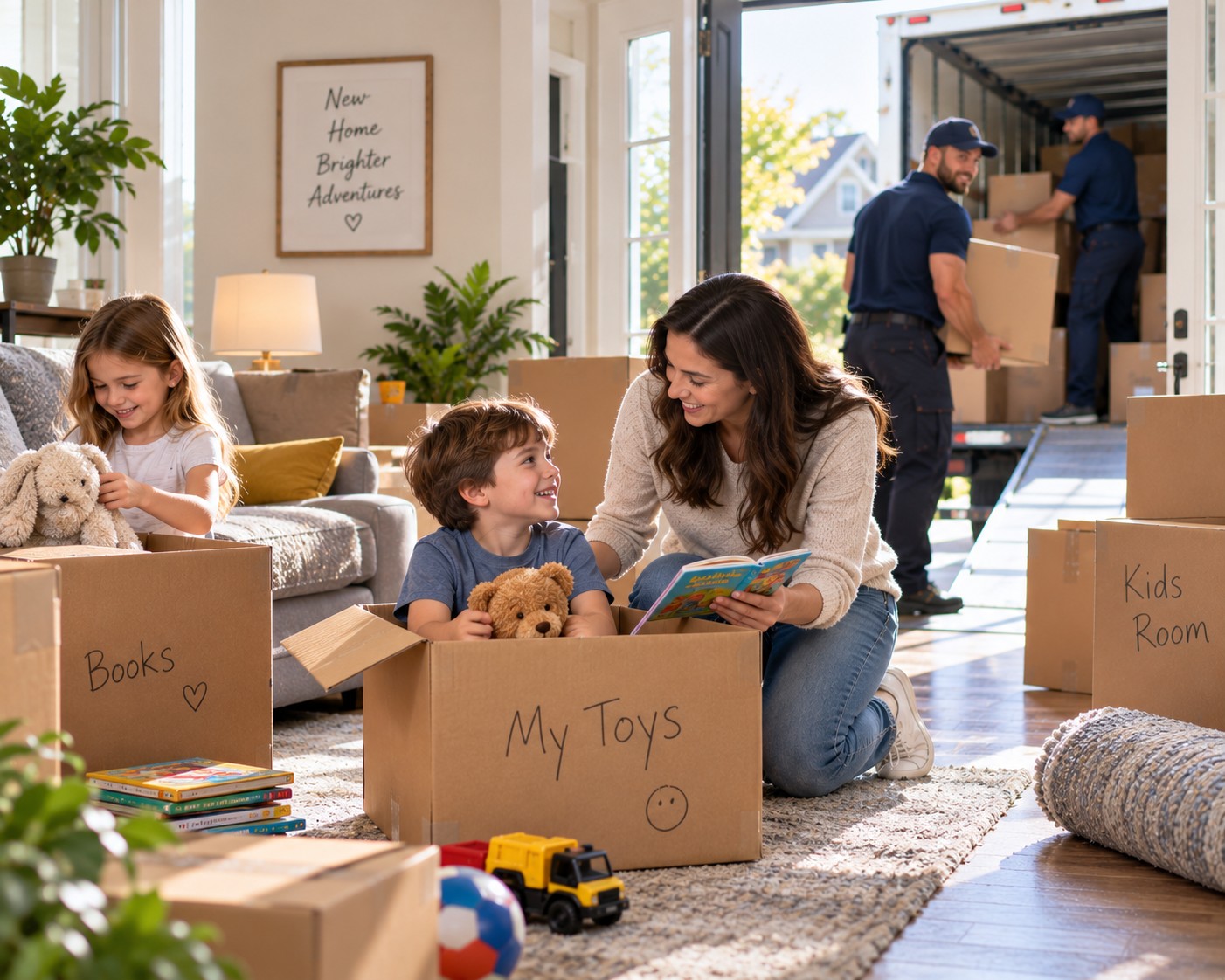
Moving day can feel exciting to adults but confusing to children. Their familiar rooms disappear into boxes, strangers may carry away favorite furniture, and everyday routines suddenly change. Even children who understand the reason for the move may struggle with the speed of the transition.
The best approach is to make children feel informed, included, and secure. With preparation and support from professional movers, families can reduce stress and help kids see the relocation as a new experience rather than a disruption. Families planning a household move can also review residential moving assistance at https://nevadamoverslv.com/services/residential-moving/.
Explain the Move in a Simple Way
Children usually handle change better when they know what to expect. Use language that matches their age and avoid giving more complicated details than necessary.
Explain where the family is going, why the move is happening, and what will remain familiar. Younger children may need repeated reminders, while older children may have questions about school, friends, bedrooms, and neighborhood activities.
Give Children Time to Ask Questions
Do not assume that a child’s silence means they feel comfortable. Invite questions and answer honestly without creating unnecessary fear. If you do not know an answer, explain that you will find out.
A short conversation each day during the preparation period can be more helpful than one long discussion several weeks before moving.
Let Kids Participate in Small Decisions
Children may feel powerless when adults make every moving decision. Giving them limited choices can restore a sense of control.
Depending on their age, children can help choose:
- Which toys should be packed first
- The color of labels for their boxes
- Items to keep in a personal backpack
- Decorations for the new bedroom
- A snack for moving day
- A favorite object to place in the new room first
Participation should remain manageable. Children do not need responsibility for major decisions, but small tasks can make the relocation feel like something they are helping create.
Pack a Special Child’s Bag
A personal moving-day bag can make a significant difference. It should contain familiar and useful items that remain with the child instead of going onto the moving truck.
Include a favorite toy, book, blanket, headphones, snacks, water, spare clothes, and any comfort object used during stressful moments. Older children may also want a tablet, charger, journal, or small activity kit.
Nevada Movers can handle the physical work of relocating household belongings, while parents focus on keeping children comfortable and emotionally supported.
Protect Familiar Routines
Moving day rarely follows a normal schedule, but maintaining a few familiar habits can help children feel grounded. Try to keep regular meal times, bedtime routines, and access to favorite snacks whenever possible.
If the move takes most of the day, prepare food in advance rather than relying entirely on unfamiliar restaurants or last-minute options. Keep pajamas, toothbrushes, and bedtime essentials accessible for the first evening.
Children may also benefit from knowing when they can call relatives, speak with friends, or return to familiar activities.
Keep Kids Away From Active Moving Areas
A moving home can contain open doors, stacked boxes, moving furniture, and people carrying heavy objects. These conditions are not ideal for children to move around freely.
Arrange a safe, quiet area away from the main work zones. A trusted relative, friend, or caregiver may be able to supervise younger children while the moving crew works.
Pets should also be kept secure, especially when doors remain open. Preventing accidental escapes protects both children and animals during the busiest parts of the day.
Make the New Home Feel Familiar Quickly
Once the family arrives, prioritize the child’s room or personal area. Unpack a few familiar belongings before focusing on decorative details or less important boxes.
A favorite blanket on the bed, familiar toys on a shelf, or a recognizable night-light can make the new space feel less strange. Let the child decide where some personal items should go, provided the arrangement remains safe and practical.
Plan a Small Welcome Activity
A simple activity can give the first evening a positive focus. The family might order a favorite meal, explore the nearby area, play a familiar game, or watch a movie together.
The aim is not to make the move seem perfect. It is to show children that familiar family moments can continue even in a new home.
Be Patient After the Relocation
Children may show stress after the move through irritability, tiredness, clinginess, or changes in sleep. These reactions can be temporary responses to a major adjustment.
Offer reassurance, maintain routines, and give children time to settle. With clear communication, small choices, familiar belongings, and help from Nevada Movers, moving day can become a more organized experience for the entire family—especially its youngest members.