 By admin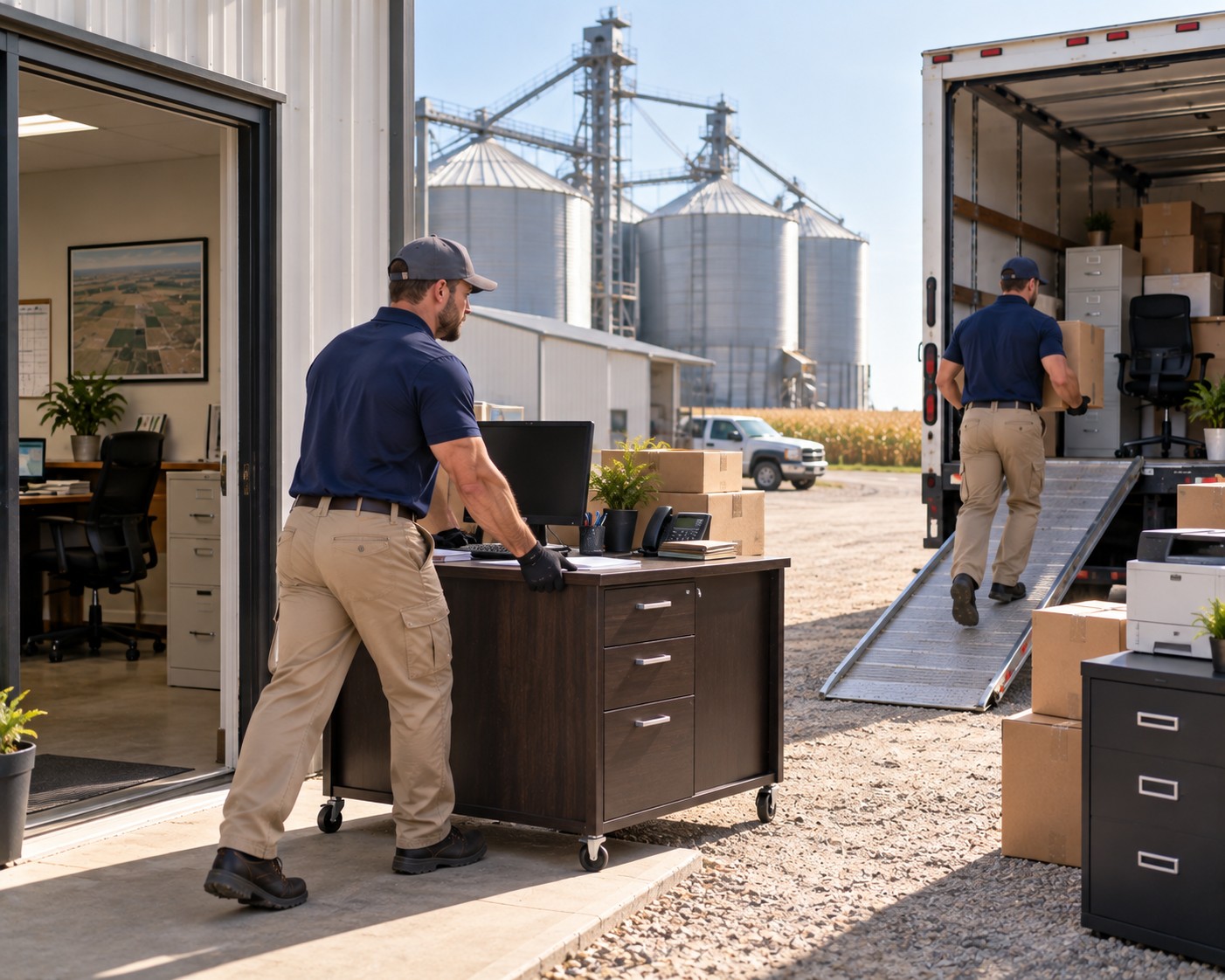
A grain farm office may look modest compared with the surrounding fields, but it often supports a complex operation. Crop records, equipment schedules, invoices, maps, computers, radios, and financial documents all help keep the business running. When a farm office near Grand Island needs to relocate, the move must protect more than furniture. It must preserve access to information and reduce interruptions during a busy agricultural season.
Planning with experienced Nebraska movers can help farm owners transfer office equipment, records, and everyday supplies while keeping the operation organized. The right strategy considers the rural property, the office layout, and the importance of maintaining communication with employees, suppliers, and customers.
Start With the Agricultural Calendar
Timing is one of the most important factors in a grain-farm office relocation. Planting, spraying, harvesting, grain deliveries, and equipment maintenance can create periods when the office is especially busy. Moving during one of these windows may cause unnecessary stress and delay important decisions.
Before selecting a date, review the farm’s operational calendar. A quieter administrative period may provide more flexibility for packing files, disconnecting equipment, and arranging transportation. If the relocation must happen during a demanding season, divide the process into stages so essential office functions remain available.
The category of Best Moving Services should include more than physical transportation in this situation. The chosen team should understand the importance of scheduling, careful handling, and a clearly organized delivery process.
Organize Records Before Packing
Farm offices often contain years of paperwork. Crop histories, land documents, supplier invoices, insurance records, tax materials, maintenance logs, and contracts may all need to be retained.
Rather than placing every document into random boxes, create a filing plan before the move. Separate active records from archives and identify documents that employees may need immediately. Clearly labeled containers can help prevent important information from disappearing into storage.
Digital files deserve attention as well. Back up computers and office servers before disconnecting them. Keep copies of essential records in a secure location, and make sure passwords, access details, and equipment instructions are available to the person responsible for reconnecting the systems.
Create an Essential-Operations Box
One clearly marked container should remain accessible throughout the relocation. It may include current crop schedules, contact lists, calculators, chargers, stationery, keys, paper forms, and other items needed during the first working day at the new office.
This small preparation can prevent staff from searching through dozens of cartons for basic supplies.
Prepare Equipment for Rural Transportation
A grain-farm office may contain more specialized equipment than a typical commercial workspace. Computers, printers, monitors, radio systems, weighing documentation, scanners, filing cabinets, and mapping tools should be included in the inventory.
Each device should be labeled according to its department or function. Cables, adapters, power supplies, and accessories should be packed with the correct equipment. Photographs of connections can make the setup process easier after delivery.
Heavy filing cabinets and office furniture should be assessed for safe movement. Drawers may need to be emptied and secured, while desks and shelving units may require partial disassembly. Protecting corners and finished surfaces is especially important when equipment must travel over longer distances or through uneven outdoor areas.
Account for Grand Island Area Property Access
A rural office location can create access challenges that are different from those found in a downtown building. Long driveways, gravel surfaces, farm gates, outbuildings, narrow approaches, and changing ground conditions may affect truck positioning.
Before moving day, inspect the route to the office and confirm where the vehicle can safely park. Remove obstacles from driveways and identify the best path between the truck and the building. If weather has created mud, standing water, or soft ground, an alternative staging area may be necessary.
For relocations elsewhere in the state, https://starvanlinesmovers.com/locations/nebraska can provide a starting point for reviewing moving support in Nebraska.
Rebuild the Office Around Daily Work
The destination should be prepared before the shipment arrives. Confirm that electricity, internet access, lighting, and security systems are working. Decide where desks, filing cabinets, printers, and communication equipment should be placed.
A simple floor plan can help movers position larger items correctly. Put frequently used records and equipment within easy reach, while archived materials can be placed in less central storage areas.
With a thoughtful schedule, clear labeling, and dependable Best Moving Services, a grain-farm office relocation near Grand Island can be completed without losing control of the information and routines that keep the agricultural business moving.
[…] Read more Moving the Farm Office: A Practical Relocation Plan Near Grand Island […]