 By admin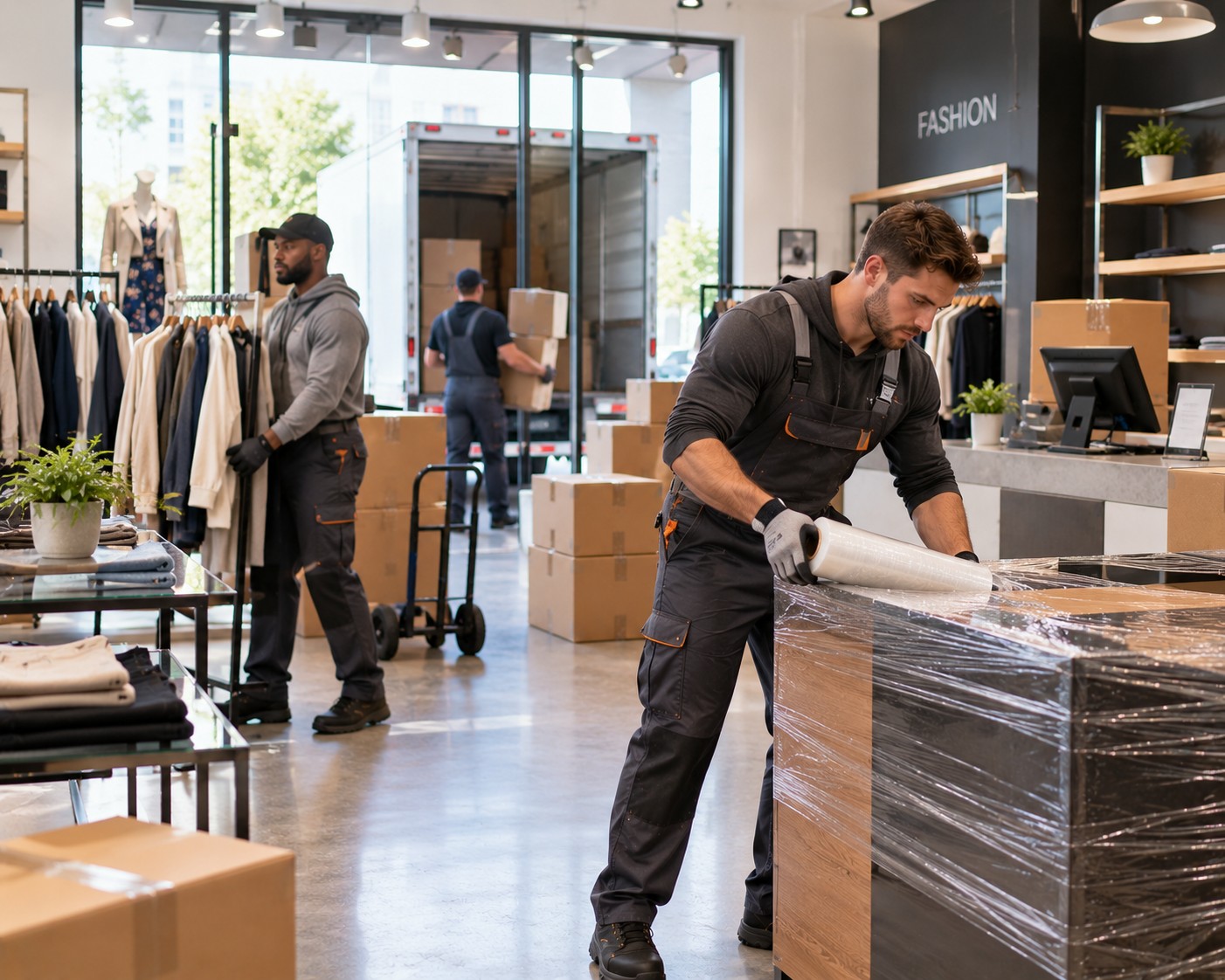
A retail store relocation is not simply a matter of moving furniture from one building to another. Every shelf, display case, product box, checkout counter, sign, and piece of technology is connected to the customer experience. If the move is poorly organized, merchandise may be damaged, stock can become difficult to track, and valuable selling days may be lost.
That is why choosing experienced commercial movers is an important part of a retail transition. Pro Movers and Storage, featured at https://promoversandstorage.com/, can help business owners coordinate the physical move while keeping attention on inventory, employees, customers, and the opening schedule.
Start With a Store-by-Store Inventory
Before anything is packed, create a complete inventory of the current location. Include merchandise, shelving systems, display furniture, office equipment, security devices, signage, lighting, and back-room supplies.
Separate Products From Store Fixtures
Retail merchandise should be recorded separately from permanent fixtures. This makes it easier to track stock during loading and unloading, while also helping movers understand which items require special handling.
Fragile displays, glass cabinets, mannequins, mirrors, and decorative installations may need additional padding or disassembly. Electronics such as point-of-sale systems, scanners, printers, and security equipment should also be identified in advance.
A detailed inventory reduces confusion and gives the relocation team a clearer picture of the work involved.
Plan the New Store Before Packing the Old One
A new retail space should be measured and mapped before moving day. Decide where shelving, counters, racks, displays, and storage units will be placed.
Create a Placement Guide
Mark each area according to its purpose:
- Sales floor
- Checkout zone
- Stockroom
- Office area
- Display window
- Staff room
- Receiving space
Use labels that match the new store’s layout. Instead of marking a box simply “fixtures,” identify it as “front display—east wall” or “checkout counter hardware.” This allows commercial movers to place items more efficiently and reduces the amount of rearranging after delivery.
For businesses preparing a complex relocation, https://promoversandstorage.com/services/office-commercial-movers provides information about commercial moving support designed around business equipment, furniture, and operational needs.
Protect Merchandise and Display Equipment
Retail goods come in many forms, from clothing and packaged products to fragile accessories, artwork, cosmetics, and high-value electronics. Each category should be packed according to its risks.
Use strong boxes for heavier stock and protective materials for delicate products. Avoid overfilling containers, since excessive weight can damage packaging and make loading unsafe. Clearly mark fragile items and keep valuable merchandise under controlled supervision.
Store fixtures also deserve attention. Shelving should be dismantled where possible, with brackets and screws placed in labeled bags. Glass panels should be wrapped separately, while racks and counters should be protected against scratches during transport.
Pro Movers and Storage can help organize the movement of retail furniture, equipment, and business belongings so the relocation is handled as a coordinated commercial project rather than a series of disconnected tasks.
Reduce Disruption to Store Operations
A retail business cannot always close for several days. The moving schedule should therefore be built around customer traffic, staff availability, delivery access, and the planned reopening date.
Some stores move in stages, transferring back-room supplies first and completing the sales floor later. Others choose an overnight or weekend relocation to reduce the impact on customers.
Keep Essential Systems Organized
Point-of-sale equipment, internet hardware, phones, security systems, and payment terminals should be packed and labeled carefully. Keep essential documents, keys, access cards, and system information with the responsible manager rather than placing them in general moving boxes.
Employees should receive clear instructions about closing procedures, packing responsibilities, and the first tasks at the new location.
Prepare for the First Day in the New Location
Before reopening, inspect the store and confirm that fixtures are stable, merchandise is accounted for, pathways are clear, and customer-facing areas are ready. Check lighting, checkout equipment, signage, and storage access before inviting shoppers inside.
A successful retail relocation combines careful planning with dependable physical execution. By using a detailed inventory, mapping the new space, protecting merchandise, and scheduling the move around business demands, retailers can create a smoother transition.
With Pro Movers and Storage supporting the process, store owners can focus on rebuilding the shopping experience in the new location while experienced commercial movers handle the difficult work of transporting and positioning the store’s essential belongings.